
Spring Roof Inspection Season Begins
As we enter spring, now is the ideal time to have your roof inspected after winter weather. Early identification of damage prevents costly repairs later in the year.
Latest insights, seasonal tips, and news from the home improvement industry
Stay informed with the latest home improvement news and industry insights
As we enter spring, now is the ideal time to have your roof inspected after winter weather. Early identification of damage prevents costly repairs later in the year.
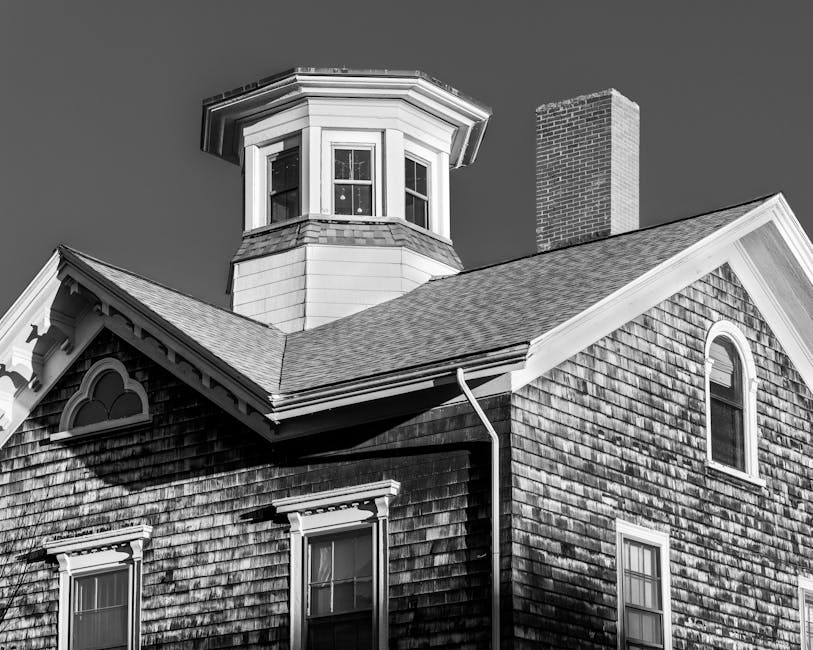
Today's roofing materials are engineered for superior durability and weather resistance. New shingle technologies can extend roof lifespan by 10-15 years compared to older materials.
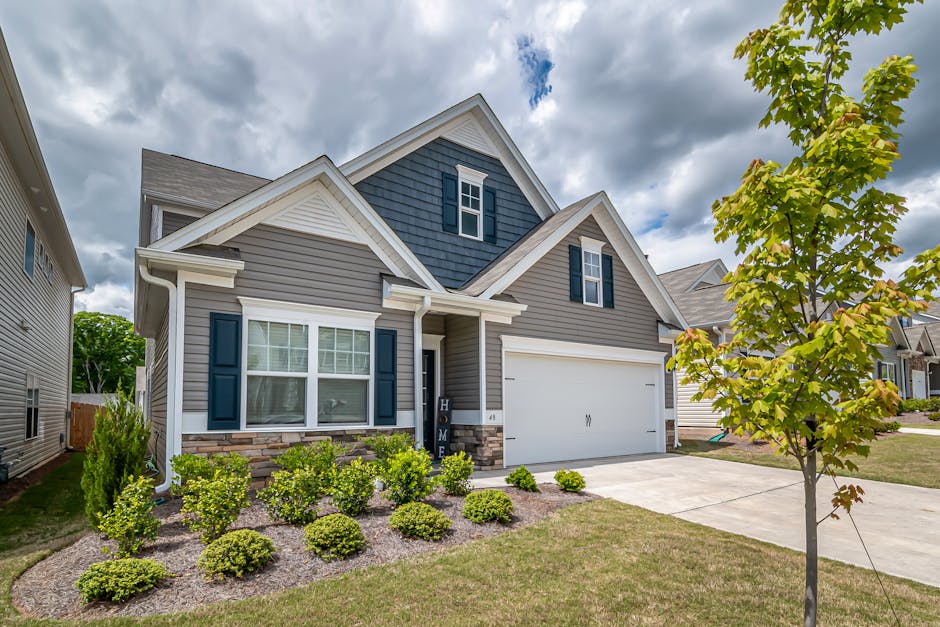
Exterior updates including new siding can boost your home's value and curb appeal. Homeowners see strong ROI on siding replacement investments, with improvements visible immediately.

Massachusetts building codes have been updated with enhanced roofing installation standards. These new requirements improve safety and weather protection for residential homes.
Proper seasonal care keeps your roof in excellent condition year-round
Clean gutters and downspouts before winter. Inspect for loose shingles, damaged flashing, and any areas where water might pool. Early repairs prevent winter damage.
Monitor ice dam formation and ensure proper attic ventilation. While snow on a roof provides insulation, excessive buildup should be carefully removed by professionals.
After winter weather, inspect for damage from ice, wind, and temperature fluctuations. Address any issues promptly before the heavy rain season arrives.
Check for UV damage and ensure proper ventilation during hot months. Summer is ideal for planning and executing major roof or siding projects with optimal weather conditions.
Professional practices protect both workers and homeowners
Professional roofing involves significant safety considerations. Contractors who prioritize worker safety demonstrate commitment to quality overall. Safety practices, including proper fall protection and equipment use, ensure work is completed correctly and projects stay on schedule.
When hiring contractors, it's valuable to understand industry safety standards. According to OSHA's Residential Fall Protection guidelines, falls remain the leading cause of death in the construction industry. Homeowners should always verify that their roofing contractor follows proper safety protocols and training requirements. Professional contractors take this seriously because safety and quality are directly connected.

When it comes to roofing and siding, professional installation makes an enormous difference in how long materials last and how well they perform.
DIY or amateur installation often creates hidden problems that emerge years later as costly water damage, structural issues, or premature material failure. Professional installers understand the details that determine success: proper ventilation, adequate fastening, appropriate underlayment, and correct flashing installation at vulnerable points.
Investing in professional work upfront saves significant money on repairs and replacements down the road, while protecting your home from damage.
Educational resources to help you understand home improvement topics